
Kite blog
Our Power, Our Planet. Designing Packaging That Works In the Real World
This year’s Earth Day theme, ‘Our Power, Our planet,” points to something simple but often misplaced: influence. Not just at the point of disposal, where a hurried decision meets a bin, but much earlier: at the design stage. Packaging is usually created with a clear purpose: protect the product, survive the journey, arrive intact. That part is tightly managed – what comes next is not. Disposal is quick. Sometimes considered. For businesses looking to reduce waste, that moment matters more than it gets credit for.
The limits of ideal outcomes
Sustainable packaging is often designed with best-case scenarios in mind. Clear labelling, recyclable materials, and established waste streams all play a role. However, real-world conditions are rarely best-case. Recycling systems vary by location, instructions are missed, time is short, and decisions are made quickly. A system that depends on everything going right will not always deliver the intended result.
Designing for the real world
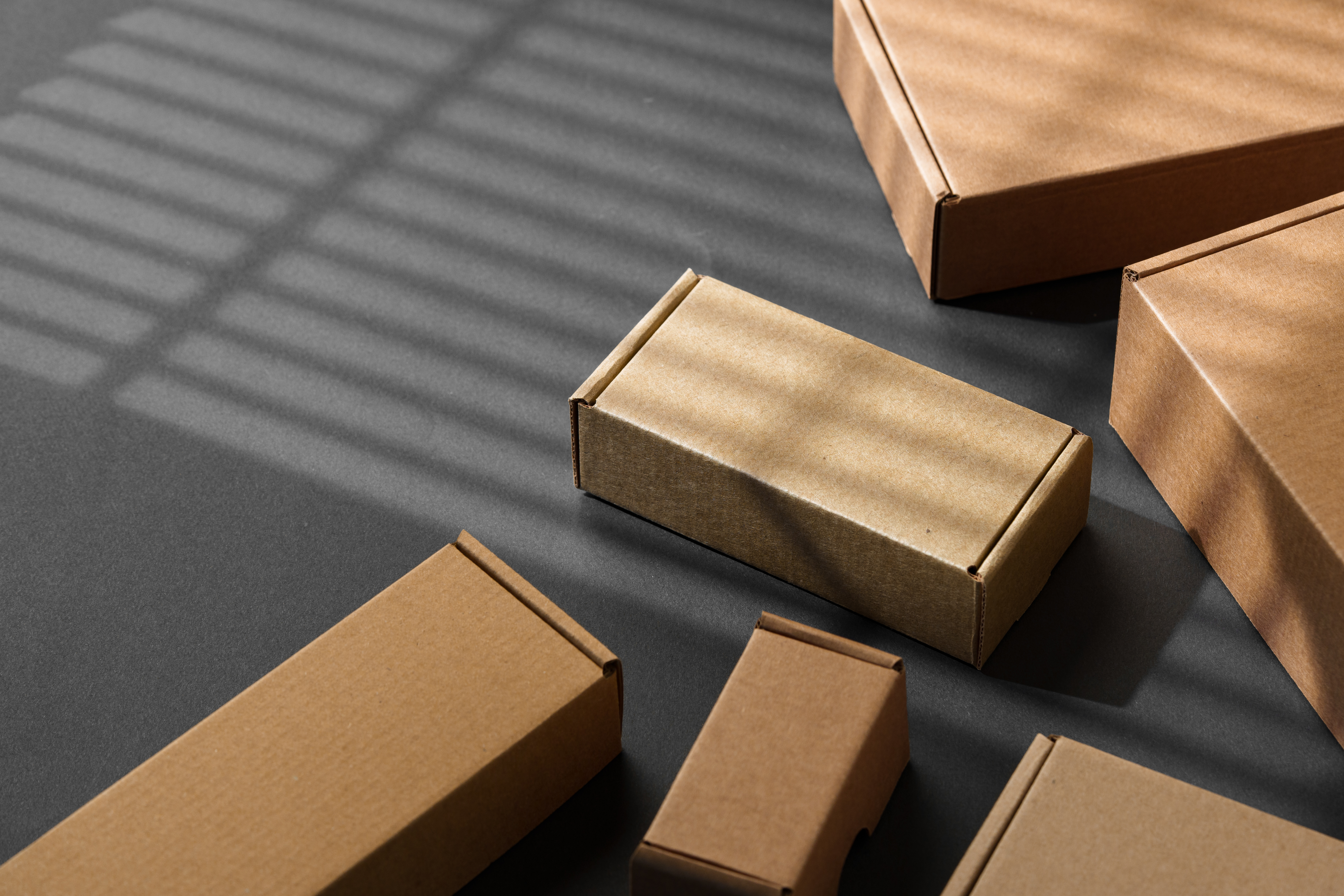
A more reliable approach is to design packaging that reduces environmental impact regardless of how it is handled after use. This means focusing on material choice, structure, and simplicity from the outset. At Kite Packaging, this approach already informs how many products are developed. For example, the use of mono-material alternatives helps simplify recycling by removing the need to separate different material layers. For example, mono-material bubble wrap offers a more recyclable alternative to traditional barrier bubble, which combines multiple materials. By using one type of material, it becomes easier to process within existing recycling systems.
The same thinking applies across other areas:
- Corrugated carboard and paper-based packaging, which are widely recycled and form a core part of many packaging solutions
- Kraft takeaway packaging made from sustainably sourced materials that are recyclable and suitable for a wide range of applications
- Reducing unnecessary materials and components to simplify both packaging and disposal
These decisions do not rely on perfect conditions. They improve outcomes across a range of real-world scenarios.
The “wrong bin” test
-1df56335-9331-41af-aad2-7f81faeda060..jpg)
One useful way to assess packaging is to consider what happens if it is disposed of incorrectly. Because some of it will be. If a recyclable item ends up in general waste, does the design minimise harm? If the packaging is not processed as intended, is the overall impact reduced? If components are separated, do they still retain value? Designing with these questions in mind helps create packaging that performs more consistently, even when disposal does not follow the intended route.
One useful way to assess packaging is to consider what happens if it is disposed of incorrectly. Because some of it will be. If a recyclable item ends up in general waste, does the design minimise harm? If the packaging is not processed as intended, is the overall impact reduced? If components are separated, do they still retain value? Designing with these questions in mind helps create packaging that performs more consistently, even when disposal does not follow the intended route.
Control at the design stage
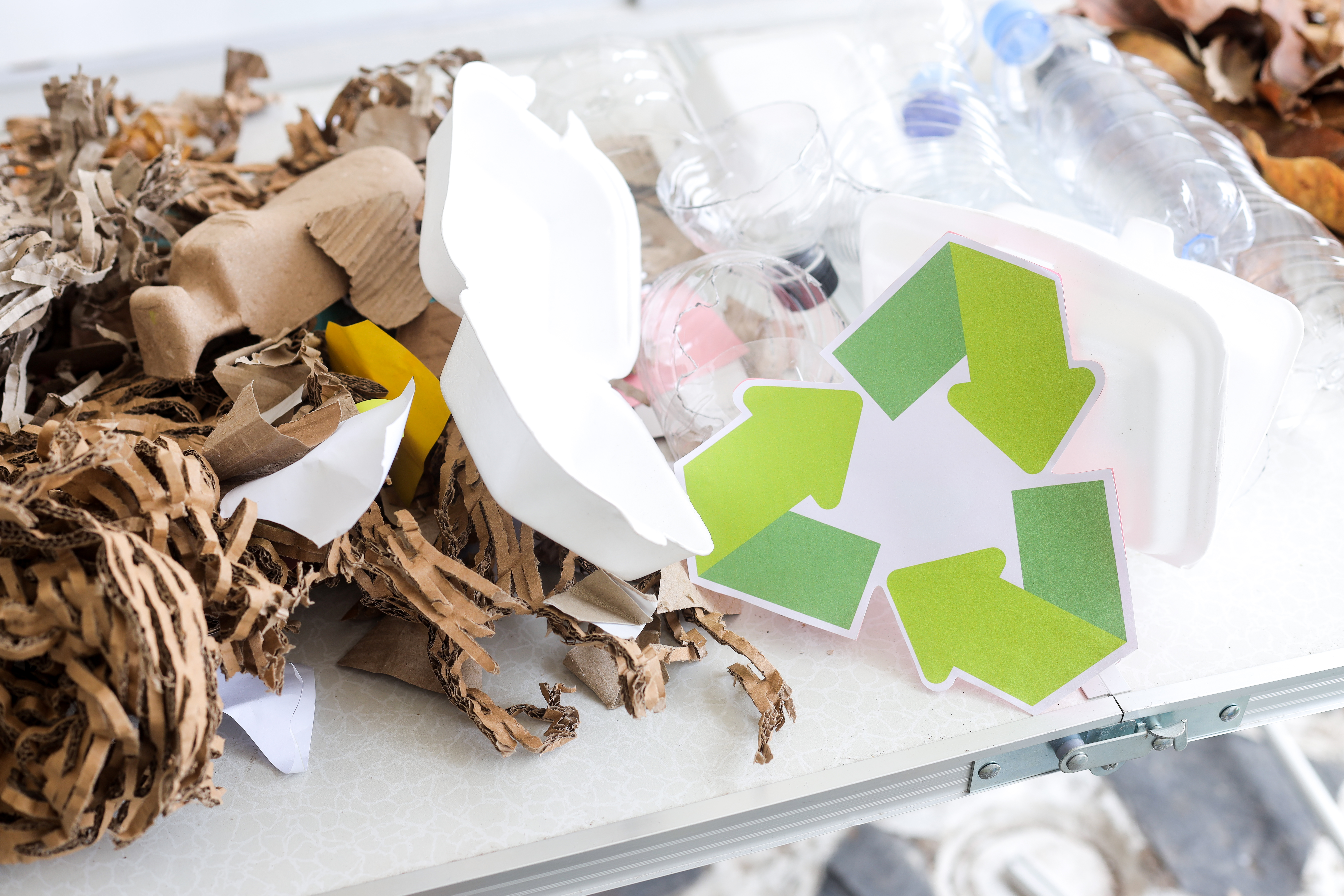
“Our Power, Our Planet” could be interpreted as a call for better individual choices. In packaging, it can also be understood as a call for better design decisions. At Kite Packaging this is supported by an in-house environmental packaging focus and a practical approach to reducing material use, simplifying structures, and selecting more sustainable materials from the start. By addressing these factors early, businesses can take greater control over environmental impact without relying on consistent behaviour at the point of disposal.
A more reliable way to reduce waste
Encouraging responsible disposal remains very important; clear communication and well-designed labelling still have a role to play. However, the most reliable way to reduce waste is to ensure packaging performs effectively under real-world conditions. That means planning for variation. Because the real power of sustainable packaging is not in assuming the right outcome but reducing the consequences of the wrong one.
Sooner or later, every nice idea meets a kitchen bin -- this Earth Day, let's prepare for it!