
Kite blog
Packaging Recovery Notes (PRN): How the UK Packaging Recovery System Works
Packaging Recovery Notes (PRNs) are used within the UK packaging recovery system to show that packaging waste has been recycled. They form part of the packaging waste regulations and help obligated businesses meet their recycling obligations.
Businesses that place packaging onto the UK market may need to buy PRNs or Packaging Export Recovery Notes (PERNs) depending on the type and amount of packaging they handle. These recovery notes act as recycling evidence and are issued by accredited reprocessors and exporters.
Our guide explains how the PRN system works, who needs to comply and how Packaging Recovery Notes support packaging recovery and recycling across the UK.
Contents
- What Are Packaging Recovery Notes (PRNs)?
- Who Needs to Buy PRNs?
- How the Packaging Recovery Note System Works
- PRNs vs Packaging Export Recovery Notes (PERNs)
- How PRN Obligations Are Calculated
- Why PRN Prices Change
- The Role of Compliance Schemes
- How PRNs Fit Into Extended Producer Responsibility (EPR)
- Key PRN Dates and Compliance Requirements for 2026/27
- How Kite Packaging Can Help
What Are Packaging Recovery Notes (PRNs)?
Packaging Recovery Notes (PRNs) are a form of recycling evidence used within the UK packaging recovery note system. One PRN is issued for every tonne of packaging waste recycled by an accredited recycler or reprocessor in the UK. If the waste is exported overseas for recycling, a Packaging Export Recovery Note (PERN) is issued instead.
Recovery notes help obligated producers meet their recycling obligations under packaging waste regulations. The system is designed to support packaging recycling across different packaging materials, including paper, plastic, glass and steel.
Money generated through the PRN system helps support packaging waste recycling, recycling equipment and wider packaging recovery infrastructure across the UK market.
Who Needs to Buy PRNs?
Businesses may need to buy PRNs if they handled more than 50 tonnes of packaging in the previous calendar year and had an annual turnover above £2 million. These companies are classed as obligated businesses and "Large producers" under UK packaging waste regulations.
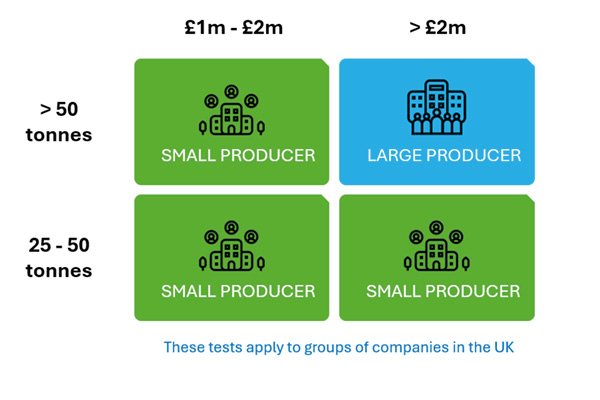
The amount of packaging recovery notes required depends on:
- the packaging material handled
- the weight of the packaging
- the company’s role in the supply chain
- national recycling targets
Packaging producers, importers, packers and sellers can all have legal obligations under the packaging regulations. Many companies work with a packaging compliance scheme to help manage packaging data, buy PRNs and meet compliance year requirements.
How the Packaging Recovery Note System Works
The PRN system works by linking packaging producers with accredited reprocessors and exporters. When a tonne of packaging waste is recycled in the UK, an accredited reprocessor can issue a PRN. If packaging waste is exported overseas and recycled at an approved end destination, an accredited exporter can issue a PERN.
Obligated companies then buy PRNs or PERNs to meet their recycling obligations for the current compliance year. Many businesses do this through a compliance scheme, which helps manage packaging compliance and submit packaging data to the Environment Agency.
The number of recovery notes needed depends on the amount of packaging placed onto the UK market and the recycling targets for each material.
PRNs vs Packaging Export Recovery Notes (PERNs)
PRNs and PERNs both provide recycling evidence, but they cover different recovery routes. A PRN relates to packaging waste recycled within the UK by accredited reprocessors, while a packaging export recovery note applies to packaging exported overseas for recycling.
Both forms of recovery notes count toward packaging recovery obligations under the current system. They are used across materials such as paper, plastic, glass and wood.
Before PERNs can be issued, exporters must show that the waste has reached an approved end destination and has been recycled to the required standards.
How PRN Obligations Are Calculated
PRN obligations are based on the amount of packaging handled by a business during the previous financial year or previous calendar year. The calculation also considers the type of packaging material, the company’s activity within the supply chain and the annual recycling targets set for the compliance year.
Different activities carry different levels of responsibility under the packaging recovery note system:
- raw material manufacturer – 6%
- converter – 9%
- packer/filler – 37%
- seller – 48%
This means producers across the supply chain share responsibility for packaging recovery and recycling obligations rather than one company carrying the full cost alone.
Why PRN Prices Change
PRN prices can rise and fall throughout the compliance year depending on market conditions. Factors such as recycling performance, availability of recycling evidence and demand from obligated producers can all affect price levels.
Some materials, including plastic, often experience larger price changes than paper or glass due to supply and demand within the recycling market. Commodity prices and exporter activity can also influence the open market for recovery notes PRNs.
Because of this, many companies monitor PRN prices closely when planning packaging compliance costs and deciding when to buy PRNs.
The Role of Compliance Schemes
Many obligated companies use a packaging compliance scheme to help manage packaging compliance and recycling obligations. Compliance schemes can support businesses with collecting packaging data, purchasing recovery notes and submitting information to the Environment Agency during the compliance year.
How PRNs Fit Into Extended Producer Responsibility (EPR)
Packaging Recovery Notes remain part of the current system under extended producer responsibility (EPR). However, EPR places greater focus on packaging waste, environmental impact and detailed packaging data reporting across the UK market.
Obligated producers may also face additional waste management costs alongside their recycling obligations under the new system.
Key PRN Dates and Compliance Requirements for 2026/27
Businesses classed as obligated producers must continue reporting packaging data and meeting recycling obligations throughout the compliance year. PRNs or PERNs for 2026 obligations must usually be purchased and accepted before 31 January 2027.
Companies should also monitor updates from the Environment Agency and wider packaging regulations, as reporting requirements and compliance rules continue to develop under EPR.
How Kite Packaging Can Help
Understanding packaging regulations, recovery notes and extended producer responsibility can be challenging, especially as compliance requirements continue to change.
At Kite Packaging, we help businesses improve packaging efficiency while supporting more responsible packaging recovery and recycling practices across the UK market.
To learn more about packaging compliance, sustainable packaging or environmentally responsible packaging solutions, contact us at EPR@kitepackaging.co.uk or call 02476 420080.
