
Kite blog
Paper Void Fill Systems - Improving Packing Efficiency and Product Protection
Paper void fill systems are becoming an essential part of modern packaging operations. Whether packing a handful of ecommerce orders each day or managing a busy warehouse dispatch area, businesses need reliable ways to protect products, improve packing efficiency, and reduce packaging waste.
In packaging, empty space is rarely empty. It can lead to product movement, damaged goods, slower packing processes, unnecessary material use, cluttered workstations, and difficult disposal for customers. A gap inside a box may appear harmless during packing, but once the parcel enters the delivery network, it can become a source of damage and costly returns.
This is why void fill should never be treated as an afterthought. The right paper void fill system helps businesses create consistent protection, improve workflow efficiency, and reduce reliance on plastic packaging materials.
Contents:
- Why void fill matters more than it seems
- The problem with "just enough" packaging
- Why paper void fill works in busy packing environments
- Choosing the right paper void fill system
- Small changes that improve the whole packing process
- Summary
Why Void Fill Matters More Than It Seems
Void fill has a simple purpose: filling empty spaces inside a carton to prevent products from moving during storage, handling, and transit. However, its impact extends far beyond basic cushioning.
Effective void fill influences:
- Packing speed and workflow efficiency
- Packaging storage requirements
- Product protection during transit
- Consistency across packing teams
- Customer experience and ease of recycling
- Material usage and packaging waste
- Confidence that products will arrive safely
When a suitable void fill solution is in place, packing becomes more consistent and efficient. Packers know exactly how much material to use and where to place it. Without a structured system, packing areas can quickly become slower, less organised, and more prone to inconsistency.
The Problem With "Just Enough" Packaging
Most businesses want to avoid overpacking. Excess packaging increases costs, slows down packing operations, and can frustrate customers. However, using too little protective packaging often creates bigger problems, including damaged products, returns, replacements, and customer complaints.
The challenge is finding the right balance between protection and efficiency.
Paper void fill systems help create a repeatable packing process. Rather than relying on loose materials or estimating how much cushioning is required, packers can quickly produce the exact amount of paper cushioning needed at the point of packing.
This consistency becomes increasingly important in high-volume environments. Small inefficiencies repeated hundreds or thousands of times each day can have a significant impact on labour costs, material usage, and productivity. A well-designed paper void fill system transforms a routine packing task into a controlled and scalable process.
Why Paper Void Fill Works in Busy Packing Environments
Paper void fill is one of the most versatile protective packaging solutions available. It can be scrunched to fill empty spaces, used to block and brace products, or shaped around items to reduce movement during transit.
Paper-based void fill also offers a straightforward disposal process for customers. It is widely recognised as recyclable, making it easier for businesses to support sustainability goals while maintaining high levels of product protection.
For organisations looking to reduce plastic packaging, paper void fill provides an effective alternative to traditional plastic-based void fill materials. It delivers reliable cushioning while helping businesses move towards more sustainable packaging practices.
Another advantage is storage efficiency. Paper void fill rolls and fanfold paper occupy relatively little space before use, helping businesses keep packing stations organised and reduce storage requirements.
Choosing the Right Paper Void Fill System
Different packing operations require different levels of equipment. A small ecommerce business will have different needs from a large warehouse dispatching hundreds of parcels each day. Choosing the right paper void fill system depends on packing volume, available space, and workflow requirements.
Smart Fill Box
The Smart Fill Box is an economical paper void fill solution designed for low- to medium-volume packing environments.
The paper roll is supplied within a corrugated dispenser box, allowing users to pull, tear, and apply paper directly at the packing station. Its compact design makes it particularly suitable for businesses with limited space.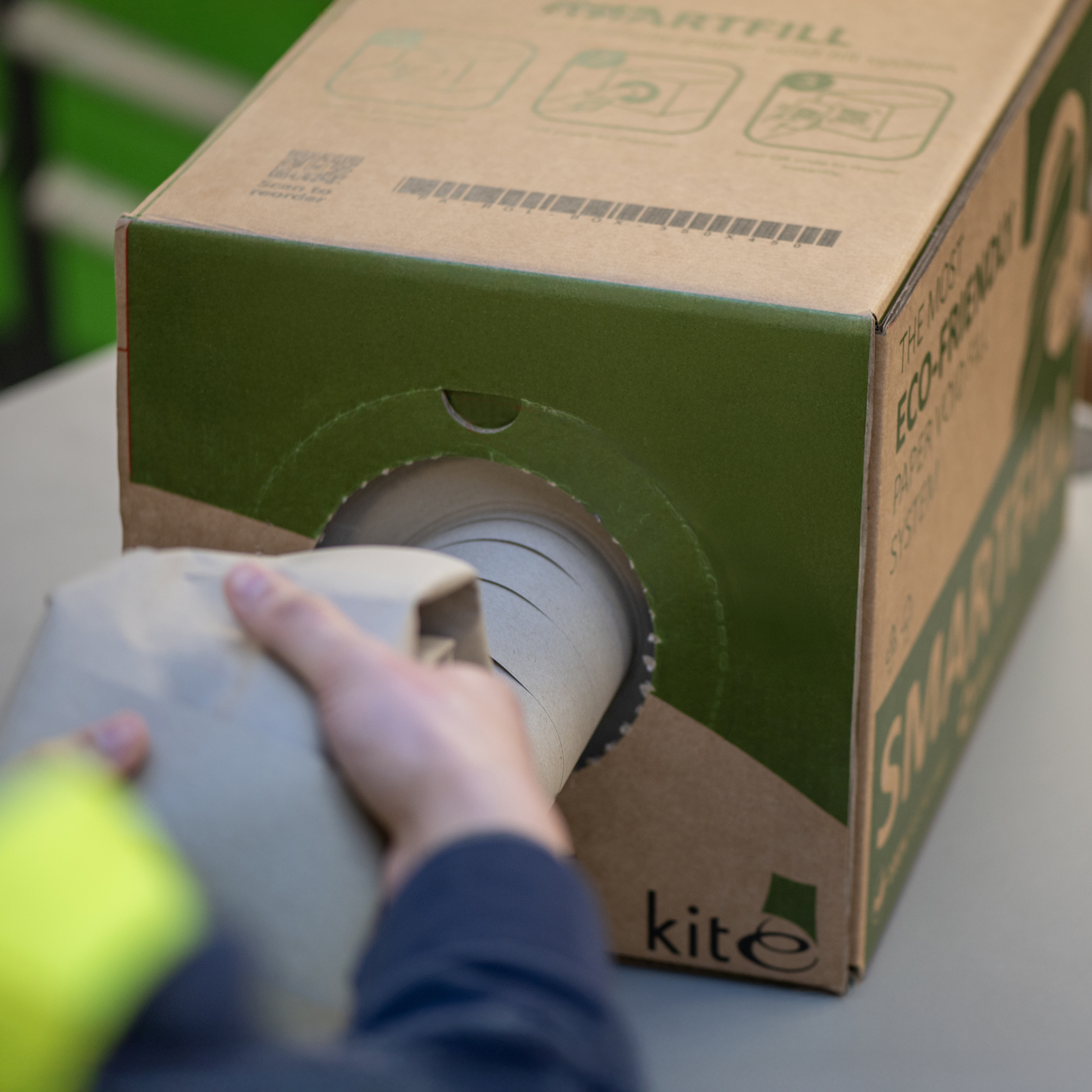
Best for:
- Low-volume packing operations
- Small ecommerce businesses
- Stockrooms and compact workspaces
- Occasional-use packing stations
- Businesses replacing plastic void fill
Smart Fill Manual Dispenser
For businesses requiring greater efficiency, the Smart Fill Manual Dispenser offers improved control without requiring electricity.
The dispenser can be bench-mounted or attached to a floor stand, making it easy to integrate into existing packing processes. Adjustable positioning helps improve comfort and productivity throughout the working day.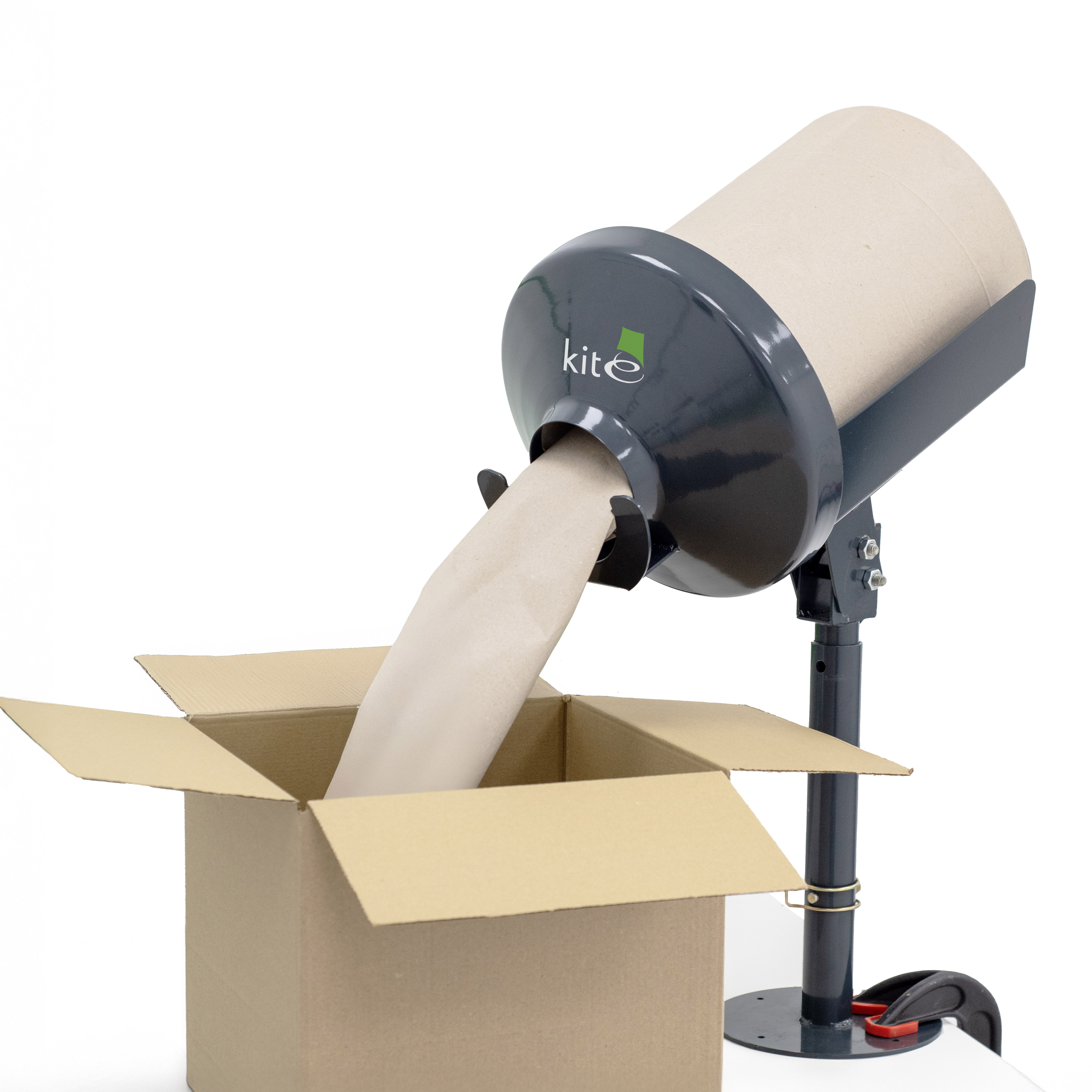
Best for:
- Regular packing operations
- Workstations with limited bench space
- Businesses seeking a maintenance-free solution
- Teams wanting better control over paper usage
- Flexible packing environments
Smart Fill Electronic Dispenser
As packing volumes increase, consistency and speed become increasingly important.
The Smart Fill Electronic Dispenser is designed for higher-volume packaging operations. Multiple dispensing modes and adjustable settings allow packers to create consistent paper lengths and cushioning output for different packaging requirements.
This helps reduce material waste while maintaining efficient packing workflows. 
Best for:
- Growing ecommerce businesses
- Busy warehouse operations
- High-volume dispatch areas
- Teams requiring consistent output
- Businesses looking to reduce manual handling
Smart Cushion Electronic Dispenser
Some products require more than standard void fill. Fragile, high-value, or heavier items often benefit from stronger cushioning solutions.
The Smart Cushion Electronic Dispenser converts paper into dense cushioning pads designed to absorb impact and provide additional protection during transit.
Features such as touchscreen controls, automated paper intake, and optional foot pedal operation make it suitable for demanding packing environments.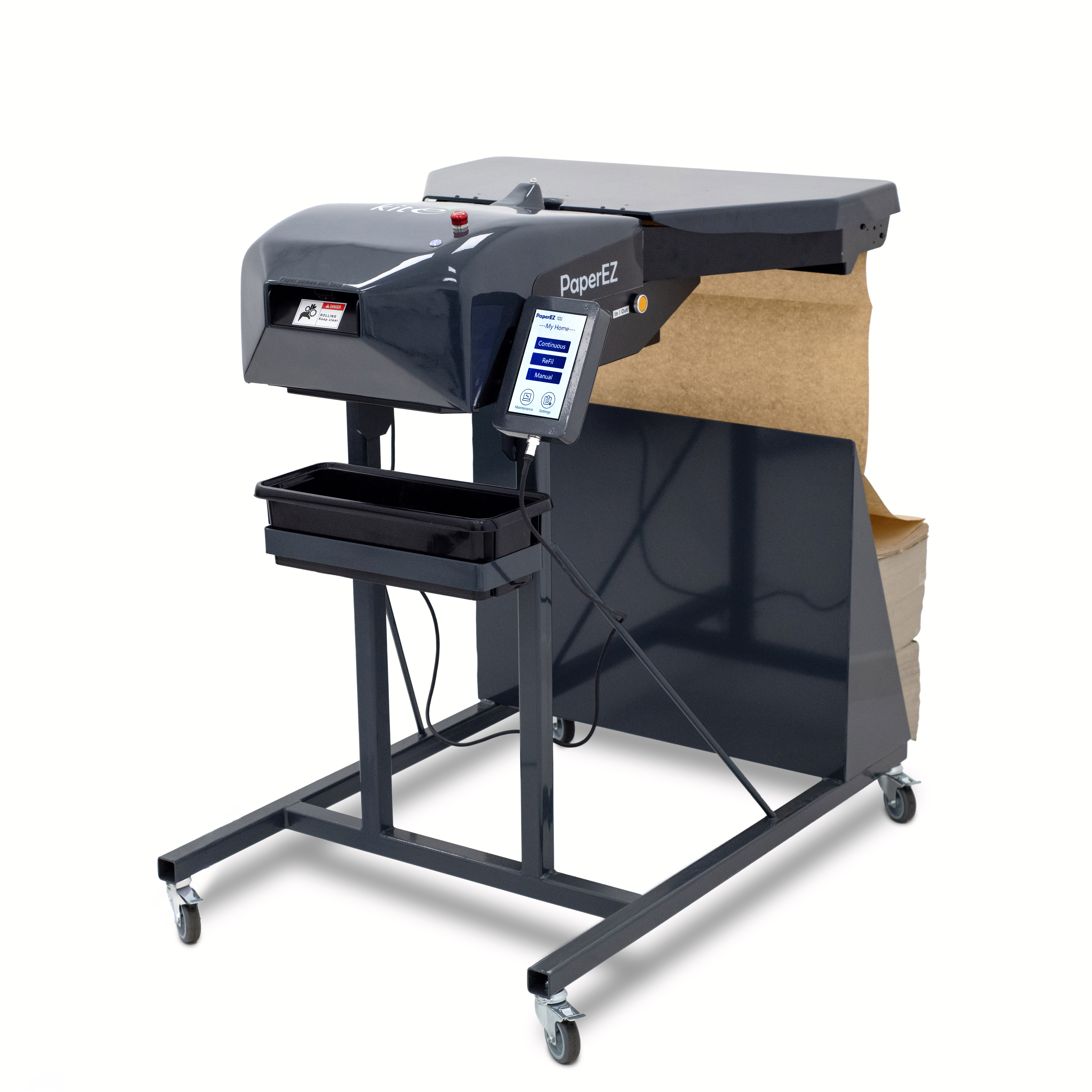
Best for:
- Fragile products
- High-value goods
- Heavy-duty packaging applications
- Warehouse packing operations
- Enhanced paper cushioning requirements
Paper Void Fill Rolls and Fanfold Paper
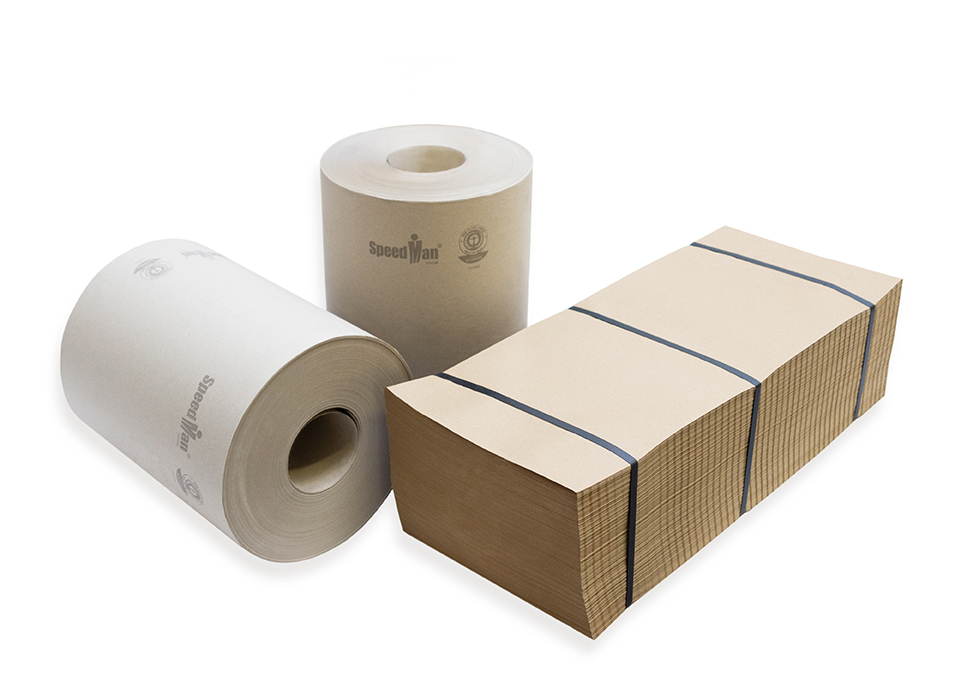
Even the best paper void fill machine relies on suitable consumables. Paper rolls and fanfold paper allow businesses to choose a format that aligns with their packing speed, storage space, and workstation layout.
Standardising paper void fill materials across multiple benches can simplify inventory management and help create a more consistent packaging process throughout the business.
Small Changes That Improve the Whole Packing Process
Improving packaging efficiency does not always require major operational changes. Often, the best place to start is by evaluating existing void fill practices.
Consider the following questions:
- Are products moving inside cartons during transit?
- Are packers using inconsistent amounts of void fill?
- Is packaging material slowing down the packing process?
- Is packaging storage taking up excessive space?
- Is disposal straightforward for customers?
- Would a dedicated dispenser improve consistency?
The solution may be as simple as introducing a Smart Fill Box to a single packing station or implementing electronic dispensing systems in higher-volume areas.
The key is ensuring the void fill solution matches the way the business actually operates. The most effective systems improve protection, support efficiency, and fit naturally within existing workflows.
Summary
Paper void fill systems help businesses improve product protection, increase packing efficiency, reduce packaging waste, and support sustainable packaging objectives.
Whether using a simple dispenser box, a manual paper dispenser, or a fully electronic paper cushioning system, the right solution can transform void fill from a routine packaging task into a reliable and efficient part of the packing process.
As ecommerce and distribution operations continue to grow, investing in effective paper void fill solutions can help businesses reduce damage rates, streamline packing workflows, and create a better experience for both packing teams and customers.