
Kite blog
What Are Pallets Made Of? A Detailed Guide to Common Materials
Pallets play a vital role in logistics, providing a stable base that supports goods during handling, storage and transport. They help products move smoothly through the supply chain, allowing businesses to load, stack and distribute items with reliability. Yet despite their widespread use, many organisations still ask a straightforward question: what are pallets made of?
Pallets can be produced from several materials, each chosen for specific reasons. Wood remains the most common, while plastic, metal and wood fibre alternatives offer advantages depending on cost, durability, hygiene needs and the weight of the items being moved. Each option performs differently when exposed to heavy loads, long-distance transport or more demanding conditions.
Our guide explains what pallets are made of, why material choice matters and how different pallet materials and construction methods influence performance.
Contents
- What Are Pallets Made Of?
- Why Material Choice Matters
- Key Materials Used in Pallet Production
- Understanding Pallet Construction
- Comparing Different Types of Pallets
- How Pallet Materials Affect Performance
- How Pallets Fit Into the Supply Chain
- How Kite Packaging Supports Safe, Reliable Transport
What Are Pallets Made Of?
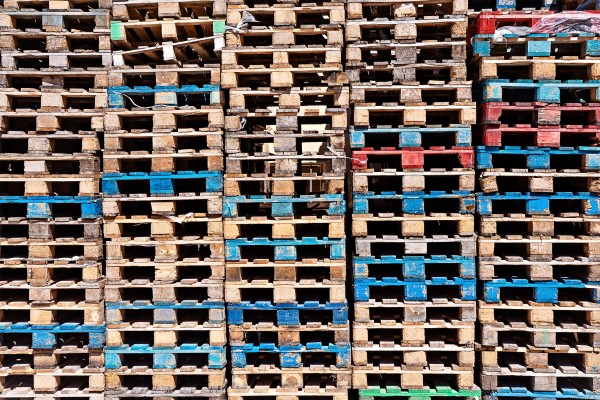
Pallets are a flat transport structure designed to support goods during storage, handling and shipment. Most pallets are made from wood, but plastic, metal and presswood or wood fibre options are also widely used. Each material offers different benefits, meaning pallets are made to suit specific needs around weight, hygiene, durability and cost.
More than a billion pallets are in circulation worldwide, with pallets produced in different regions often varying in size, construction and material. Wood remains the most common choice, plastic offers improved hygiene, metal suits demanding environments and wood fibre provides a lightweight option for export. As a result, pallets made for one industry or location may look and perform differently from those used elsewhere.
Why Material Choice Matters
Choosing the right pallet material has a direct effect on handling efficiency, product protection and overall transportation costs. Each material behaves differently in use, so matching the pallet to the goods and the environment is essential for safe, reliable movement across the supply chain.
Key factors to consider include:
- Weight and how it influences transport and manual handling
- Weight capacities, particularly when moving heavy loads or heavy goods
- Durability, especially for repeated use or long-term storage
- Environmental performance, including recyclability and end-of-life options
Wood offers strength and flexibility, plastic provides consistent hygiene, metal withstands tougher conditions and wood fibre options help reduce weight for export. By understanding how these materials perform, businesses can choose pallets that suit the product type, handling equipment and operating conditions while keeping both protection and cost in balance.
Key Materials Used in Pallet Production
Pallets can be manufactured from several materials, each offering different levels of strength, durability and suitability for specific tasks. Wood remains the most widely used option worldwide, but plastic, metal and wood fibre alternatives all play an important role across modern industries.
Wood Pallets
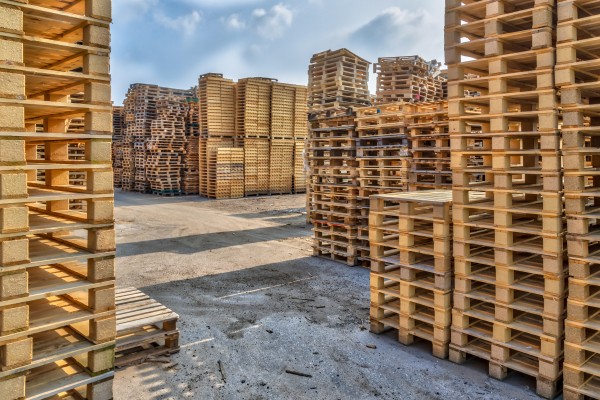
Wood pallets are the most widely used option worldwide thanks to their strength, versatility and low cost. They suit many industries and can be repaired or recycled, making them a practical choice for everyday operations. Both softwood and hardwood are used, with oak, pine and southern yellow pine among the most common species. The type of wood chosen influences strength, weight and suitability for different handling conditions.
Because pallet wood is easy to cut and shape, wooden pallets can be made in different sizes to suit specific handling or storage needs. Wood pallets provide reliable support for heavy loads, which is why they remain a standard choice across the supply chain. Many pallets are kiln dried or heat treated, improving stability and meeting requirements for export where heat treatment is needed.
Options such as used wooden pallets or used pallets also offer a cost-effective alternative while maintaining solid performance.
Advantages:
- Strong and reliable under heavy loads
- Repairable and recyclable
- Cost-effective and widely available
Limitations:
- Can be heavier than other materials
- May absorb moisture without proper treatment
Plastic Pallets

Plastic pallets offer strong durability and consistent performance in environments where hygiene is essential. Because plastic does not absorb moisture, these pallets resist mould, contaminants and exposure to most acids, making them a common choice for food, pharmaceutical and export applications. They also deliver a lighter weight design, helping businesses reduce handling effort and benefit from low weight during transport.
Strengths:
- Hygienic and easy to clean
- Resistant to moisture and most acids
- Long lifespan with consistent performance
- Suitable for industries with strict hygiene standards
Weaknesses:
- Higher upfront cost than wood
- Difficult to repair once damaged
Metal Pallets
Metal pallets sit at the premium end of pallet materials and are often chosen when maximum durability is required. In some settings, businesses choose plastic or metal pallets as alternatives to wood due to tougher operating conditions. Metal options are ideal for extreme environments, offering reliable performance when handling very heavy goods or loads that require stronger support.
These pallets can be extremely durable, resisting moisture, chemicals and impact, but they also come with a higher cost and increased weight. They are commonly found in industries such as manufacturing, chemicals and aerospace, where longevity and consistent strength are essential.
Wood Fibre Pallets
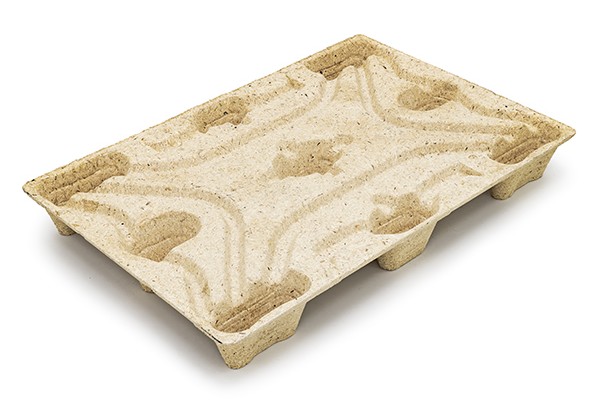
Wood fibre pallets are moulded from compressed wood fibres, creating a lightweight alternative to traditional wood pallets. Their single-piece design improves stackability and saves space in storage.
They are often used for export, as they meet international requirements without extra heat treatment and offer weight savings during transport. Made from recycled material, they support sustainability goals and can usually be recycled again after use.
Understanding Pallet Construction
Different pallet designs influence how they perform in handling systems, storage spaces and transport environments.
Block Pallets
Block pallets use solid blocks between the top and bottom deck boards to create a strong, stable structure. Because of this design, block pallets allow multi-directional entry, improving handling efficiency with forklifts and pallet trucks. Many global supply chains use block pallets due to their strength and consistent performance under heavy loads.
Compared with other designs, block pallets offer better support and easier access from all four sides. As a result, block pallets remain a common choice for large-scale distribution and automated systems.
Stringer Pallets
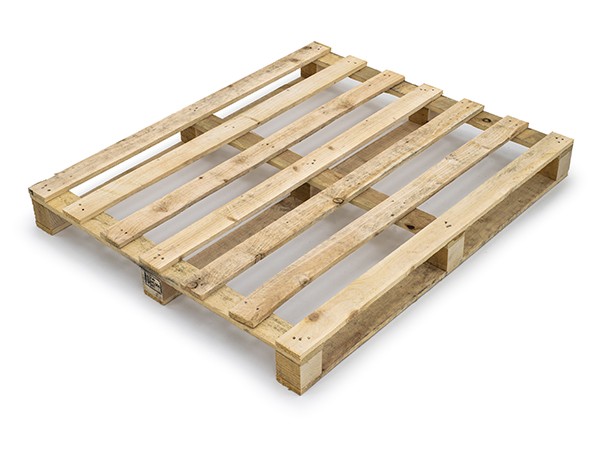
Stringer pallets use parallel boards, known as stringers, to support the top deck. They differ from block pallets by offering two-way entry rather than full four-way access, although some designs include notched stringers to improve handling.
Stringer pallets are widely used in the UK and many other regions, providing a simpler and often more economical option for everyday storage and distribution.
Standard Pallets and Sizes
Standard pallets follow recognised dimensions that help maintain compatibility across equipment, racking and transport systems. Regional differences mean pallet size varies, with some markets favouring the euro pallet, while others rely on different formats. Certain industries also use display pallets or square pallets for specific layouts or product types.
Common pallet dimensions include:
- Euro pallet: 1200 × 800 mm
- UK standard: 1200 × 1000 mm
- Half pallet: 600 × 800 mm
These sizes support use across retail, manufacturing and air freight, helping goods move efficiently through global supply chains.
Comparing Different Types of Pallets
Pallets differ by material, size and construction, and each option performs best in specific settings. Wood offers strength at a lower cost, plastic provides consistent hygiene, and metal suits demanding environments where durability is essential. Standard pallets work well in most storage systems, while display pallets are designed for retail use.
Key comparisons include:
- Wood vs plastic: wood is cost-effective; plastic offers longer lifespan and easier cleaning
- Wood vs metal: wood is lighter and cheaper; metal handles tougher conditions
- Plastic vs metal: plastic is lighter; metal supports heavier loads
- Light vs heavy-duty: lighter options reduce handling weight; heavy-duty versions support larger loads
When selecting a pallet, consider:
- Storage conditions
- Lifespan and sustainability
- Suitability for automation
- Overall handling requirements
Different industries benefit from different solutions: wood suits manufacturing, plastic is common in food and pharma, and metal supports chemical and heavy industrial environments.
How Pallet Materials Affect Performance
The material used in a pallet has a direct effect on how it performs in daily operations. Each option offers different levels of weight, weight capacities, durability and ease of repair. Wood is strong and repairable, plastic provides a long lifespan with consistent dimensions and metal handles the heaviest loads but is harder to move.
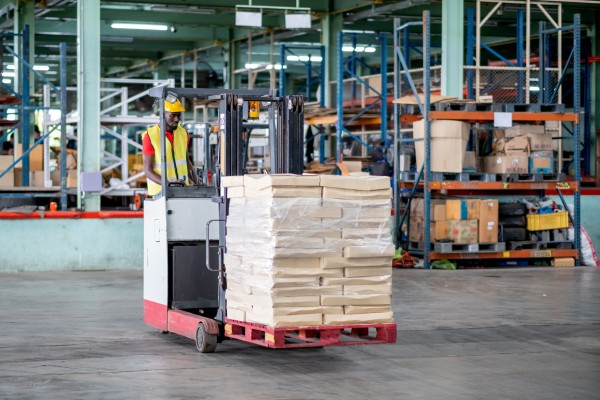
Key performance factors include:
- Weight: lighter materials can lower handling effort and transport costs
- Weight capacities: metal and strong hardwood options support heavier loads
- Durability: plastic and metal offer longer lifespans; wood can be repaired easily
- Repairability: wooden pallets can be fixed quickly, while plastic is usually replaced
- Handling: all materials interact differently with a pallet jack, forklift or even an erect crane
Material choice also affects how well a pallet supports goods during storage and transport. Consistent sizing helps ensure the pallet fits perfectly within racking, trailers or automated equipment. By choosing materials that match the load type and handling environment, businesses can maintain safer, more efficient movement throughout the supply chain.
How Pallets Fit Into the Supply Chain
Pallets help keep the supply chain efficient by providing a stable base for handling, stacking and moving goods, including heavy goods. They support the logistics industry and simplify loading for international trade, making transport more predictable.
Choosing the right pallet reduces breakages, limits waste and helps lower transportation costs. Because the supply chain depends on consistent movement, suitable materials and designs play an important role in keeping operations running smoothly.
How Kite Packaging Supports Safe, Reliable Transport

Kite Packaging helps businesses choose pallet-related products that support secure handling and efficient movement through the supply chain. Our focus is on providing solutions that work with a wide range of pallet materials, helping customers protect goods, manage weight effectively and maintain reliable performance during transport and storage.
We offer options suited to different industries, from light everyday use to applications involving heavier loads. By concentrating on strength, compatibility and practical day-to-day performance, Kite supports businesses looking to maintain consistent transport standards while keeping costs predictable.
Not sure which pallet-related products are right for your operation? Contact Kite Packaging at enquiries@kitepackaging.co.uk or call 02476 420065 for guidance on reliable options that help protect goods throughout the supply chain.