
Kite blog
What Is Sustainable Packaging? Understanding the Shift to Greener Materials
Sustainable packaging refers to packaging that uses fewer resources, reduces waste, and lowers environmental impact across its full lifecycle. Instead of relying on traditional packaging made from conventional plastics, it focuses on materials and systems that can be reused, recycled, or returned to the environment responsibly. This shift is driven by growing concerns about packaging waste, plastic waste and the wider impact of how goods are packed and disposed of.
With consumer demand rising and the food industry calling for greener solutions, the packaging industry is working to adopt more sustainable practices.
Our guide explains what sustainable packaging means, why it matters and how businesses can take practical steps toward greener materials.
Contents
- What Is Sustainable Packaging?
- Why Is Sustainable Packaging Important?
- Key Principles of Sustainable Packaging
- Sustainable Packaging Materials Explained
- Recyclable Materials
- Compostable and Biodegradable Options
- Bio-Based and Plant-Based Packaging
- Reusable Packaging Systems
- Eco Friendly Packaging Materials
- Comparing Sustainable Packaging to Traditional Packaging
- How to Identify Sustainable Packaging
- How Kite Packaging Supports Greener Choices
- Contact Kite Packaging
What Is Sustainable Packaging?
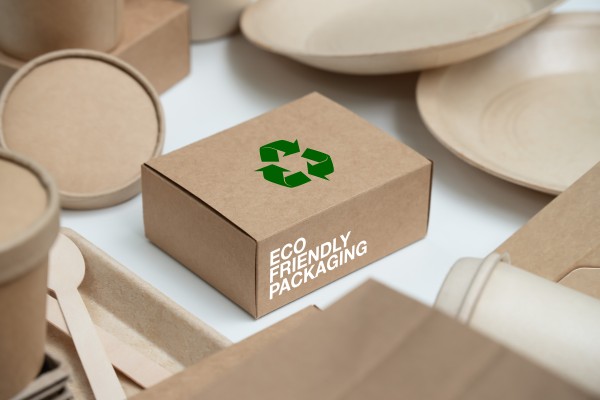
Sustainable packaging is packaging designed to minimise its environmental impact throughout its entire lifecycle, from the sourcing of raw materials to its end of life. It aims to balance environmental responsibility with functional and economic needs, ensuring the packaging still protects products effectively and remains practical for businesses to use.
Unlike traditional plastics and other conventional plastics, sustainable packaging focuses on recyclable materials, recycled materials, compostable packaging and renewable resources. The goal is to create packaging materials that offer the same level of product protection while generating less waste and supporting long-term packaging sustainability.
Why Is Sustainable Packaging Important?
Sustainable packaging plays a key role in reducing packaging waste and plastic waste, helping businesses and consumers lower their overall carbon footprint. By choosing greener options, companies can reduce carbon emissions and greenhouse gas emissions linked to production, transport and disposal.
Key benefits include:
- Supporting a healthier planet by cutting reliance on traditional packaging
- Lowering the environmental impact of everyday packaging materials
- Reducing waste sent to landfill
- Helping brands meet growing consumer demand for eco friendly packaging
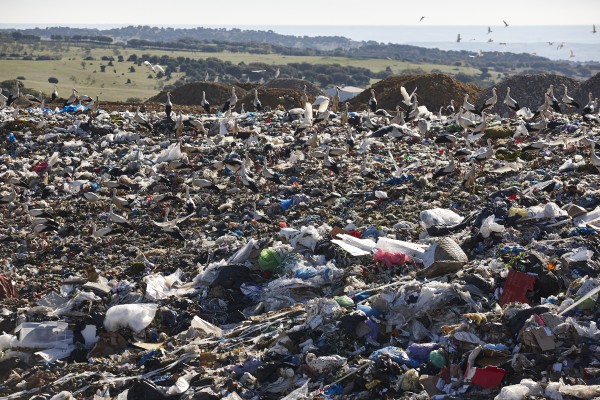
Together, these improvements make sustainable packaging important for businesses working toward meaningful change in how products are packed and delivered.
Key Principles of Sustainable Packaging
Sustainable packaging follows a set of core principles that help reduce environmental impact while still meeting the functional and economic needs of businesses. These principles guide how packaging materials are chosen, used and disposed of, ensuring that every stage of the process supports a more responsible approach.
Reduce, Reuse, Recycle
A key principle is reducing unnecessary plastic packaging and choosing minimal packaging wherever possible. When materials are needed, using recycled materials, recycled plastics and recycled paper helps cut demand for new resources while supporting a circular system. Recyclable materials are equally important, as they allow packaging to be collected, processed and turned into new products rather than becoming waste.
Choosing Sustainable Materials
Selecting sustainable materials instead of traditional materials helps lower the overall environmental impact of packaging. This includes choosing raw materials that can be renewed quickly and sourcing from renewable resources, such as timber from sustainably managed forests. By focusing on materials that are responsibly produced and ethically sourced, businesses can make packaging that is both effective and environmentally considerate.

Lowering Environmental Impact
Assessing packaging through life cycle assessment and life cycle inventory helps identify the environmental impact at each stage of its journey. These assessments support decisions that reduce global warming potential, cut fossil fuel use and encourage the shift toward renewable energy. By understanding the entire lifecycle, businesses can make informed choices that genuinely lower emissions and improve sustainability. At Kite Packaging, we follow strict environmental standards across sourcing and production.
Sustainable Packaging Materials Explained
Sustainable packaging uses a wide range of materials that reduce waste, lower environmental impact and offer greener alternatives to traditional packaging. Understanding these materials helps businesses choose options that meet product protection needs while supporting long-term packaging sustainability.
Recyclable Materials
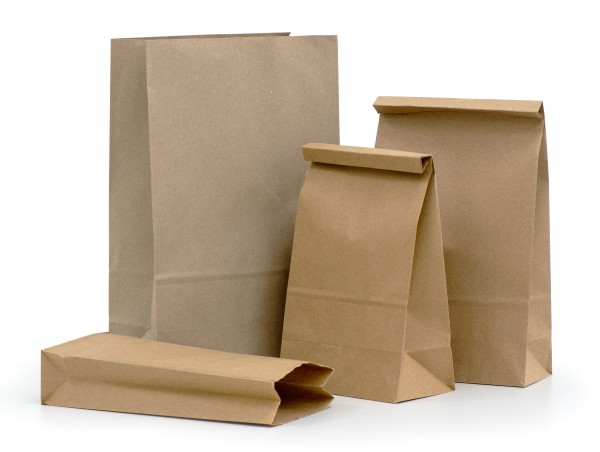
Recyclable materials remain the foundation of many sustainable packaging solutions, offering reliable performance with a lower environmental cost. Common examples include paper packaging and cardboard, which are widely collected and reused across the UK. These materials work well for anything from lightweight cartons to a strong cardboard box for shipping.
Examples of recyclable packaging materials include:
- Paper and paper packaging
- Corrugated cardboard
- Packaging materials made with recycled-content fibres
Because these materials can be processed repeatedly, they help reduce raw material use and support a more circular system.
Compostable and Biodegradable Options
Compostable packaging is designed to break down under the right conditions, making it a popular alternative to traditional plastics. Options such as compostable materials and compostable bags help reduce reliance on single use items. Biodegradable materials, including biodegradable air peanuts, also break down more easily than conventional plastics, although they may require specific conditions to decompose effectively.
Bio-Based and Plant-Based Packaging
Bio based plastics and other plant-based packaging materials offer a more renewable approach to packaging. Innovations include seaweed packaging and mushroom packaging, both of which are gaining attention for their low environmental impact. Edible packaging also sits within this category, although it is mainly used for niche applications.

Reusable Packaging Systems
Reusable packaging is designed to be used multiple times, reducing the volume of end of life waste. These systems can offer strong environmental benefits when managed correctly, as each reuse lowers the overall impact per cycle. By replacing single use items, reusable solutions help businesses cut waste while maintaining practical day-to-day operations.
Eco Friendly Packaging Materials
Eco friendly packaging materials cover a broad range of greener alternatives designed to reduce environmental harm. This includes anything from recycled cardboard to plant-based films and other eco friendly materials used across different industries. Eco friendly packaging options fit easily into most supply chains, allowing businesses to switch to greener practices without disrupting existing processes.
Comparing Sustainable Packaging to Traditional Packaging

Understanding how sustainable packaging differs from traditional packaging helps highlight why so many businesses are moving toward greener materials. While conventional options often prioritise cost and convenience, modern sustainable alternatives focus on reducing waste, lowering emissions and meeting long-term environmental goals.
Traditional Plastics vs Sustainable Options
Traditional plastics and other conventional plastics have long been used for their durability and low cost, but they come with notable limitations.
Key challenges include:
- Long decomposition times that contribute to packaging waste
- Reliance on fossil fuels with a high carbon footprint
- Difficulty recycling certain plastic packaging formats
- Increased plastic waste and pollution across supply chains
- Limited environmental benefits compared with sustainable alternatives
In contrast, sustainable options aim to reduce environmental impact through recyclable, reusable and compostable choices made from renewable or recycled materials.
Benefits of Green Packaging
Green packaging offers clear advantages for both businesses and the environment, contributing to a more responsible future.
Environmental benefits include:
- Lower environmental impact at each stage of the lifecycle
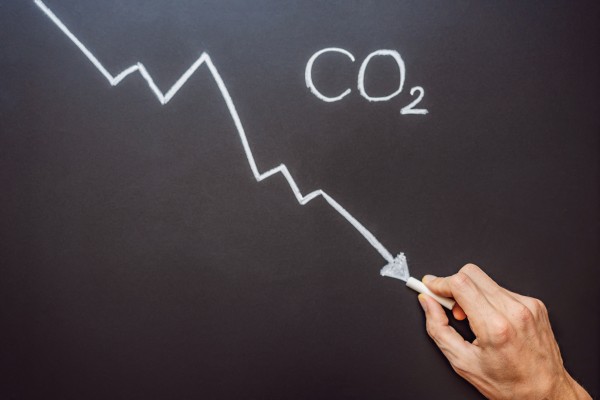
- Reduced carbon emissions and greenhouse gas emissions
- Less reliance on raw materials and fossil fuels
- Decreased packaging waste through recycling and composting
- Support for a healthier planet and improved resource efficiency
These advantages show why sustainable packaging is becoming a preferred choice for companies aiming to reduce their footprint and meet growing consumer expectations.
How to Identify Sustainable Packaging
Knowing how to spot sustainable packaging helps businesses and consumers make informed choices and avoid relying on plastic packaging that offers little environmental benefit. Clear labelling and a basic understanding of material claims can make it easier to choose packaging that genuinely reduces impact rather than simply appearing eco friendly.
Looking for Certification and Standards
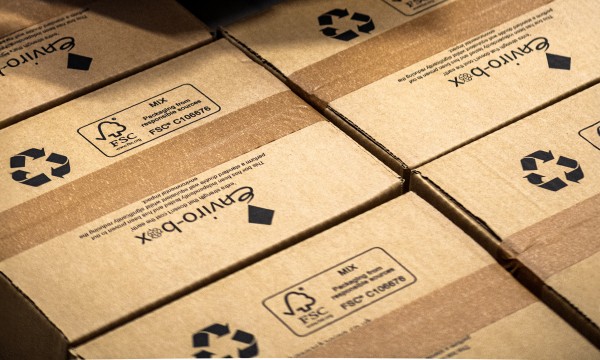
Many sustainable packaging materials are supported by recognised certifications or labels that show how they should be handled after use. These indicators help confirm whether packaging can be recycled, composted or reused.
Key things to look for include:
- Recycling symbols that indicate whether the packaging can enter standard recycling streams
- Labels showing recycled materials, such as recycled content in paper or plastic
- Certification marks confirming compostable packaging or compostable materials
These labels help distinguish genuine sustainable options from standard plastic packaging that may not break down or recycle easily.
Asking the Right Questions
Before choosing any packaging material, it helps to check a few simple points to ensure it meets sustainability expectations.
Consider asking:
- What is it made from, and does it rely on a renewable raw material or other materials with lower environmental impact?
- How is it disposed of at the end of life, and does it fit into existing recycling or composting systems?
- Does it reduce carbon stored or offer lower emissions compared to traditional materials?
These questions make it easier to assess whether the packaging supports long-term sustainability goals or if it functions more like conventional plastics.
How Kite Packaging Supports Greener Choices
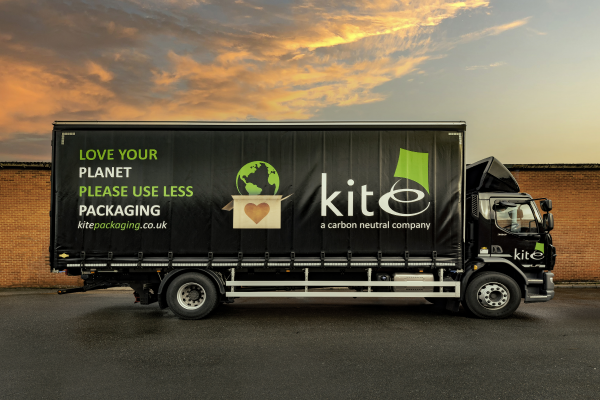
Kite Packaging is committed to helping businesses reduce waste by offering eco friendly packaging that supports recycling and encourages customers to reduce, re-use, recycle and replace where possible. Many of our products are designed for recyclability or made from recycled materials, supporting a circular system rather than relying on traditional plastics.
We also provide a dedicated environmental products page, making it easy to find sustainable alternatives that still offer strong product protection. By focusing on practical, greener packaging materials, Kite helps businesses work toward more responsible and environmentally aware packaging practices.
Not sure which sustainable packaging materials are right for your business? Contact Kite Packaging at enquiries@kitepackaging.co.uk or call 02476 420065 for guidance on eco friendly packaging solutions, recyclable materials and greener ways to reduce packaging waste.